Water Damage Restoration in Old Town Round Rock, TX
Old Town is where Round Rock started. The first settlement of 1851 grew up beside the round rock in Brushy Creek, and when the International-Great Northern Railroad laid track a little south and east in 1876, the businesses moved to the tracks and the original village became "Old Round Rock" on the county maps. Sam Bass was shot on Main Street on July 19, 1878, and the limestone storefronts along Main and the old St. Charles Hotel are what the city now calls its historic district. Around them are the oldest houses in town: frame and stone homes from the 1880s through the 1930s on pier-and-beam foundations, and a ring of 1950s and 1960s ranch houses on the first slabs poured in Round Rock.
Old Town sits right on Brushy Creek, which is the point. The creek and Lake Creek meet just west of Main Street, and the low blocks near Chisholm Trail Road are the first in the city to see water when a storm stalls over the escarpment.
This site routes Old Town homeowners to an independent local water damage provider by phone. The provider walks the house before writing the scope.
Old Town water damage, from pier-and-beam to early slab
A 1920s house on piers holds water under the floor after a kitchen leak, so water extraction here means opening the crawl space hatch as well as drying the rooms. A 1960s ranch house on an early slab with sixty-year-old galvanized pipe and a warm floor is a leak detection call. When the creek comes up over Chisholm Trail Road, the garages and ground floors along it need flash flood cleanup.
The creek, the city utility, and the permit office on Bagdad Avenue
Old Town is the one neighborhood in Round Rock where the city's water utility, the building permit office, and the creek are all within a few blocks of each other. The utility can shut a meter at the curb when a house valve from the 1950s will not turn, and the Building Inspection Division on Bagdad Avenue issues the permit when the rebuild touches plumbing or framing.
Call (512) 562-9101 and tell us what you found. We route the call to a local water damage provider serving Old Town Round Rock.
Services Available in Old Town Round Rock
Water Extraction
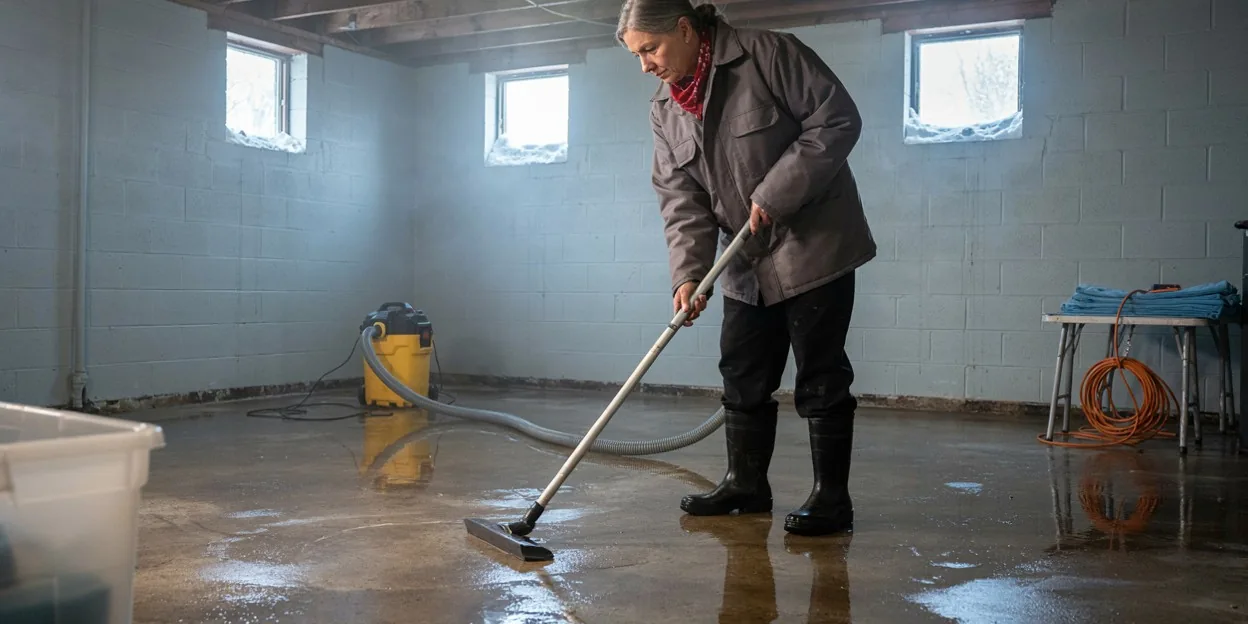
Standing water pumped off slab floors, tile, and carpet in a Round Rock home, then the first meter readings to see where it spread.
Structural Drying
Air movers and dehumidifiers run against Central Texas humidity until drywall, cabinets, and subfloor hit their dry target.
Leak Detection
A warm spot on the floor, a spinning meter, or a soft wall traced to a slab line or a wall pipe before anyone breaks concrete.
Burst Pipe Water Damage
Rooms, ceilings, and floors soaked when an attic or exterior wall line split in a freeze, pumped out and dried once the valve is off.
Flash Flood Cleanup
Muddy creek water and street runoff pulled out of a garage or ground floor, contaminated materials removed, and the house dried.
Water Heater Leak Cleanup
A tank that let go in a garage, hall closet, or attic and the drywall, flooring, and ceiling it soaked on the way down.
Ceiling Water Damage Repair
A stained, sagging, or dripping ceiling under an attic air handler, an upstairs bath, or a drain pan, dried and opened only where wet.
Roof Leak Water Damage
Wet attic insulation, ceilings, and walls dried out after hail, a spring storm, or the 2022 tornado season found a way through the roof.